
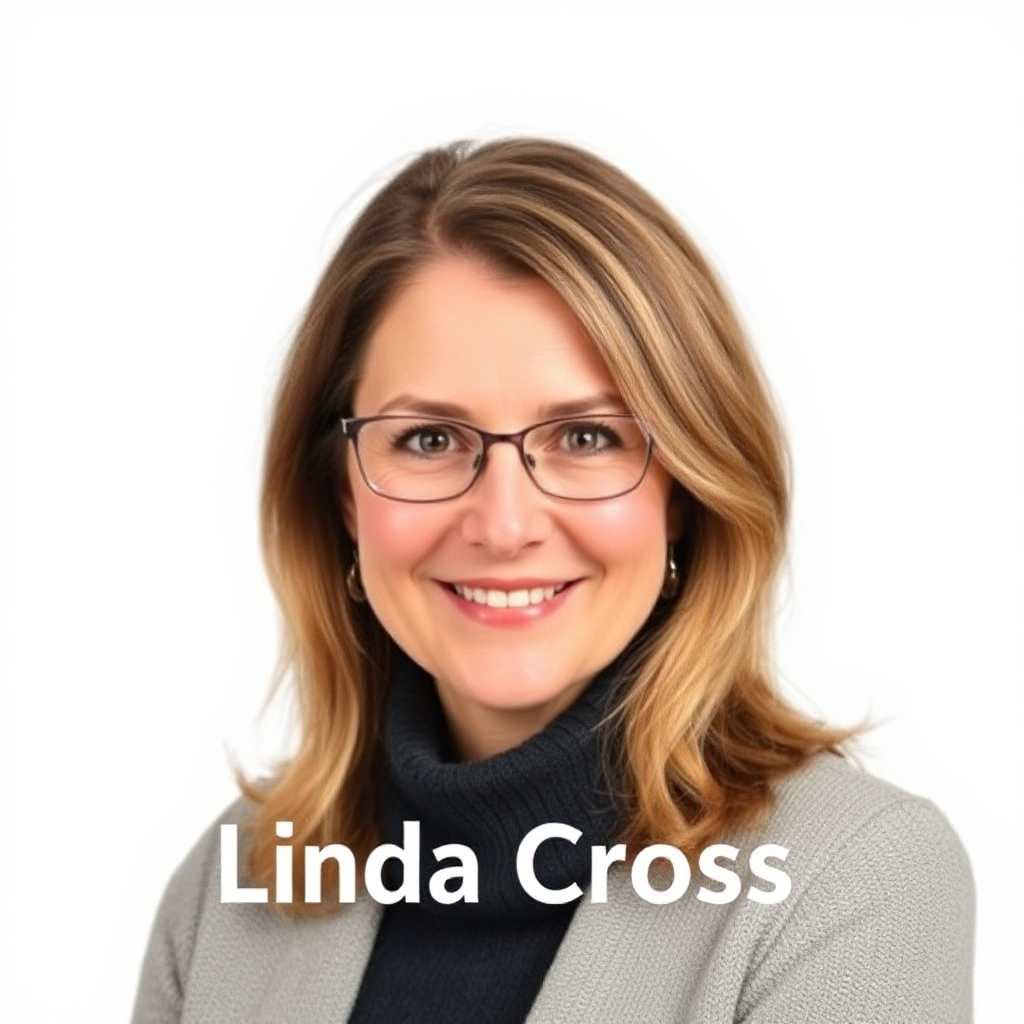
On occasion, healthcare worker Lorna Grinnell-Moore has the receiver hung up abruptly. Often, she has to listen to various far-fetched conspiracy theories and, once, she remembers being subjected to abuse.
"You will inevitably encounter ones like that, unwilling to accept information, and it seems as though you haven't succeeded."
However, this is standard for the day job for Lorna. She's been calling families whose children have missed out on the measles, mumps, and rubella vaccinations in an effort to convince them to become vaccinated. Inadequate uptake of vaccines mean the disease has been able to spread in the city, predominantly in children younger than ten.
An Active Strategy
Lorna's been here before - she was a member of a group of public health employees that completed thousands of telephone contacts in a mere 90-day period after a spike in measles reports in late 2023 involved many pediatric cases. These conversations alone led nearly 1,000 once reluctant parents and young people to opt for vaccination.
Across parts of London, which is grappling with a measles surge, officials are looking to places like Birmingham for methods to control it. Fifty cases have been confirmed so far this year, predominantly affecting young children, some of whom have been required inpatient care.
Mobilizing Experience
During Birmingham's 2023 outbreak, some retired medical professionals were recalled from retirement, like they had been. On this occasion, however, as opposed to vaccinating people, they were tasked with convincing people to receive them.
Their mission involved placing follow-up calls to families and people up to the age of 25 to address the barriers preventing them obtaining the jab against a disease that can have grave complications - including meningitis, blindness and, infrequently, death.
Now, Lorna, a vaccination program lead, and a team of nurses have been recruited to bash the phones again as measles cases rise once more.
The Art of Persuasion
This is challenging work. A particular technique is needed which combines listening closely and seeking to appreciate the person on the other end.
"After I grasp their perspective, I can then address their queries," says Lorna. "Sometimes they listen, and other times they state they are finished talking."
"This isn't a matter of becoming a demanding nurse."
If people are prepared to continue the conversation, Lorna feels she can then address their concerns or anxieties about the vaccine and assist in alleviating them.
Protocols and Support
A policy limits calls to three attempts. Another is not to leave messages due to potential confusion. Staff members fluent in a range of tongues, like French, Italian, Arabic, or Urdu, can support the calling effort when English isn't a person's first language.
Alongside the phone service, the collaborative outbreak team also runs an advertising campaign and connects to local community groups.
Clear Outcomes
The citywide effort has had a noticeable influence. During 2024, an extra 7,000 vaccinations were completed – and the overall vaccination count was one-fifth more than the year before.
Specifically, there had been lower vaccine uptake among particular demographic groups, including Roma, east European, South Asian and black ethnic groups.
Language barriers were addressed by boosting the information available in multiple languages, utilizing QR code technology that lead to explanatory videos outlining the positives, in conjunction with conventional billboard advertising.
Doctors' Surgeries Adapt
A number of primary care clinics have also begun undertaking their own call-and-recall work. This includes practices like Hall Green Health, which has even taken it a step further by scheduling face-to-face meetings to concerned parents so they can address their questions face to face with a doctor.
"I believe we have grown too relaxed about the true severity of measles," states Dr. Sonia Ashraf, a partner.
She explains that multiple multiple factors that cause hesitancy. The use of pork-derived gelatine is a frequent issue, yet this can be simply addressed by providing the alternative of the jab that is free from gelatine.
Debunked studies from the 1990s falsely associating MMR with autism also gets brought up, while certain guardians also express concern about the quantity of scheduled immunizations given to youngsters. During the preschool years, they will have been invited to get immunised six times.
"Certain guardians wonder the necessity for numerous vaccines or think that their children are healthy enough these diseases," continues Dr. Ashraf. "We spend time going through the evidence with them – misinformation is widespread out there."
Resource Constraints and Prospects
The call-and-recall support has since been extended to additional clinics. But because of stretched budgets, it is something that can only be done to a restricted degree. In 2025, uptake figures dropped back to pre-2024 levels, leaving the city still well below the critical 95% mark needed for community protection.
Although there have been increases in infection, there has been nowhere near the scale of cases that were seen two years ago, when reported infections topped half a thousand.
A public health lead, says the call-and-recall model "is really effective" but "not a cure-all" and needs to be combined with other strategies. Optimally, he explains it would be used more but further investment is needed.
Current funding for the calling system runs until the conclusion of the current fiscal period.
The Wider Context
This strategy isn't unique to implement this method. Several other locations have undertaken analogous programs.
Yet, moving the needle across the nation has been challenging. Currently, fewer than 85% of children have had both required shots by the age of five.
"It's a real challenge," says an expert. "The reasons for not getting vaccinated are multifaceted and varied. An element frequently ignored is ease of access. For


